ai-roi
AI ROI: how to measure it with real numbers
Most AI ROI claims are estimates. The useful measure is hours a person stops spending on a named task, checked a month later. Here's the method.
Read article

Blog
Guides, playbooks, and product notes on putting AI to work.
Most AI ROI claims are estimates. The useful measure is hours a person stops spending on a named task, checked a month later. Here's the method.
Teams adopt AI when their leader uses it on real work, sets one clear standard, and makes it safe to say what failed. Mandates and tool rollouts mostly don't.

A chatbot answers when you ask. A personal AI agent knows your work, runs jobs on a schedule, and acts in your tools. Three tests tell them apart.

An AI chief of staff handles the follow-through: prep, follow-ups, status, and loose ends. What it does well today, where it breaks, and how to start.

AI sovereignty means controlling the AI you depend on. Countries are spending billions to get it, and the same reasons apply to your business and your work.

AI isn't bad by itself, but most worries about it are fair. What's true about jobs, energy, copying, sameness, and power, from a company that builds AI.

AI makes mass surveillance cheap, the data to feed it is already for sale, and the main limits are company rules. What happened this year and how to protect yourself.

AI companies gain a lot from training on data they don't own, the penalties are small, and nobody can check models they keep internal. What that means for your data.

Asymmetric AI means using AI with what your competitors don't have: what you know, who you know, and what you build. Why it matters and how to start.

Every listicle promises 42 use cases. Most are vaporware. These 7 deliver ROI in weeks for teams under 50 people, with real cost math and screenshots.
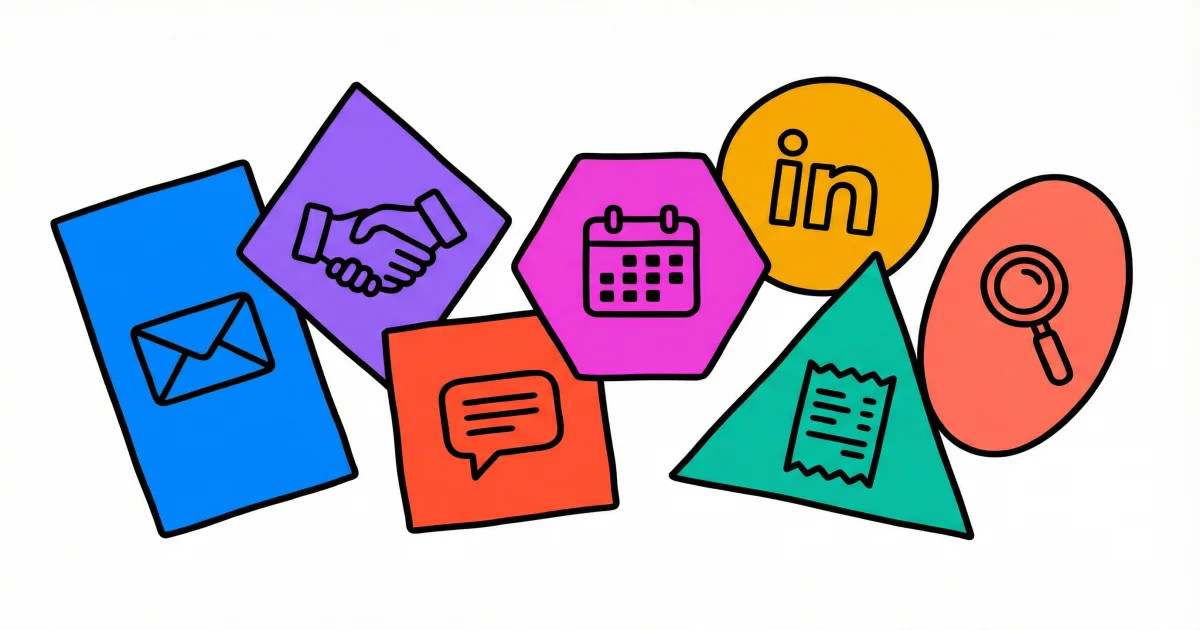
Salesforce Agentforce costs $2 per conversation. HubSpot Breeze burns credits per action. Every 'smart' workflow you build makes it harder to leave. The alternative: open-source AI you actually control.
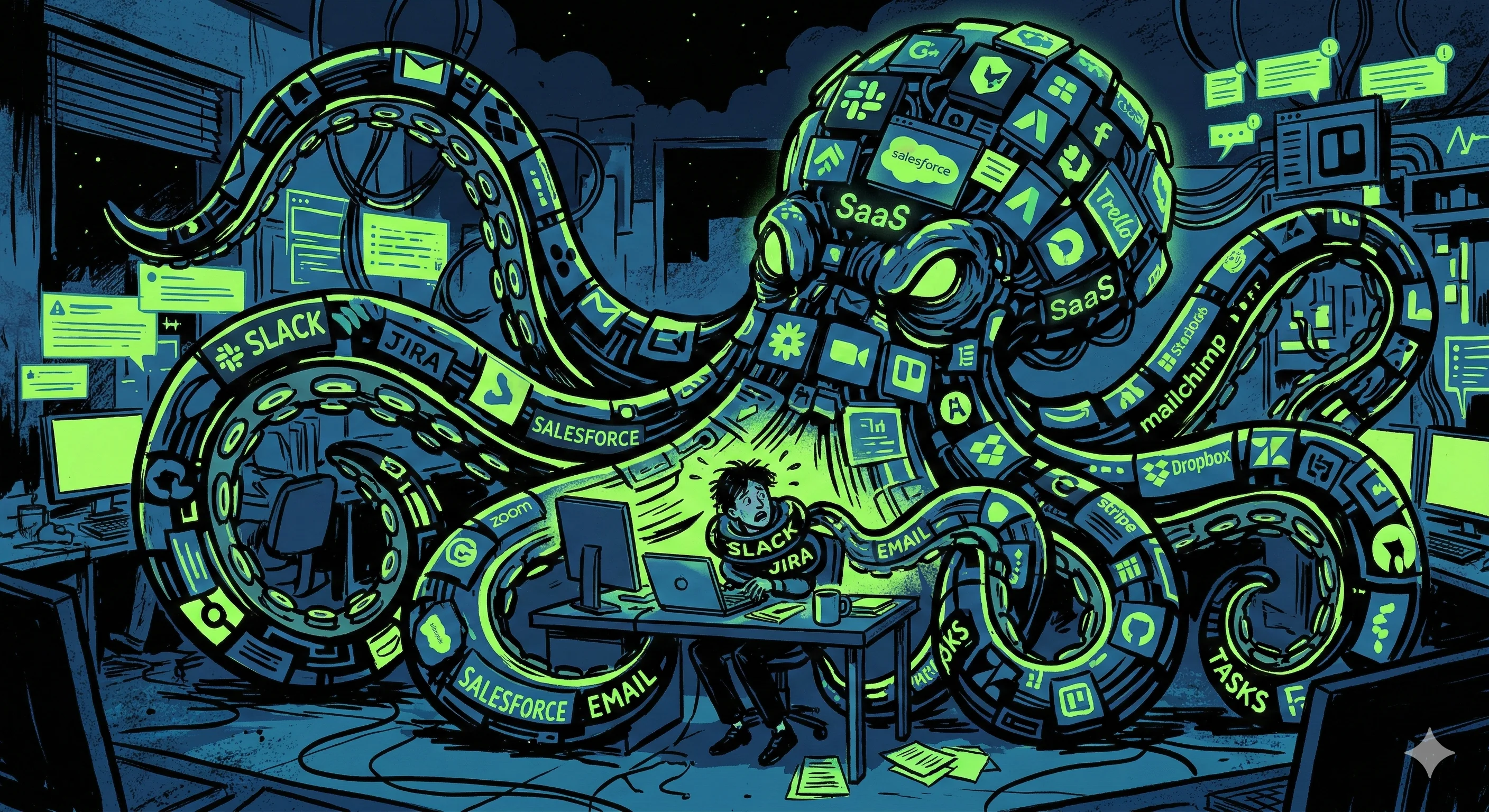
Agentic automation replaces rigid workflows with AI agents that decide their own steps. PageLines Community is where 500+ builders share what actually works.

Most AI agents forget everything between sessions. OpenClaw builds memory over time — learning from corrections, compounding with every interaction. Here's how it works.

Anthropic caught DeepSeek, MiniMax, and Moonshot copying Claude through 24,000 fake accounts. Open source models, an open agent, and local memory remove the dependency.
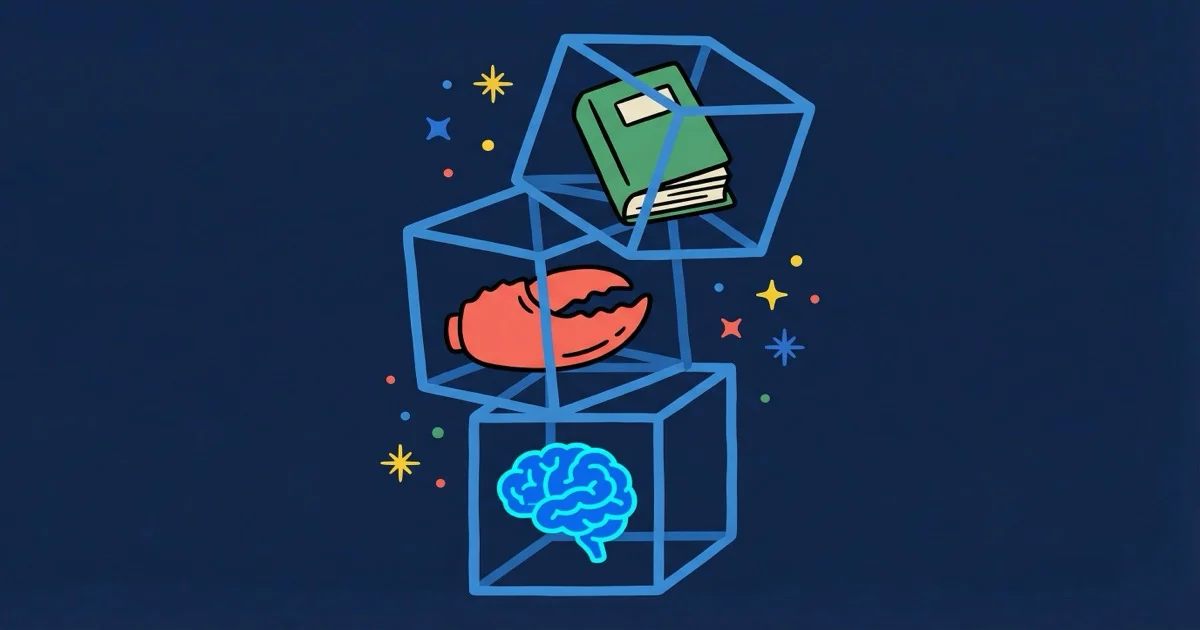
Five free model families handle the same agent work as GPT and Claude, at 2% of the cost. Which one to pick for your OpenClaw bot, and what it actually costs.
Apple has actual Mac Mini shortages from OpenClaw demand. But most business tasks don't need native computer control. Here's the cost math and what actually works.
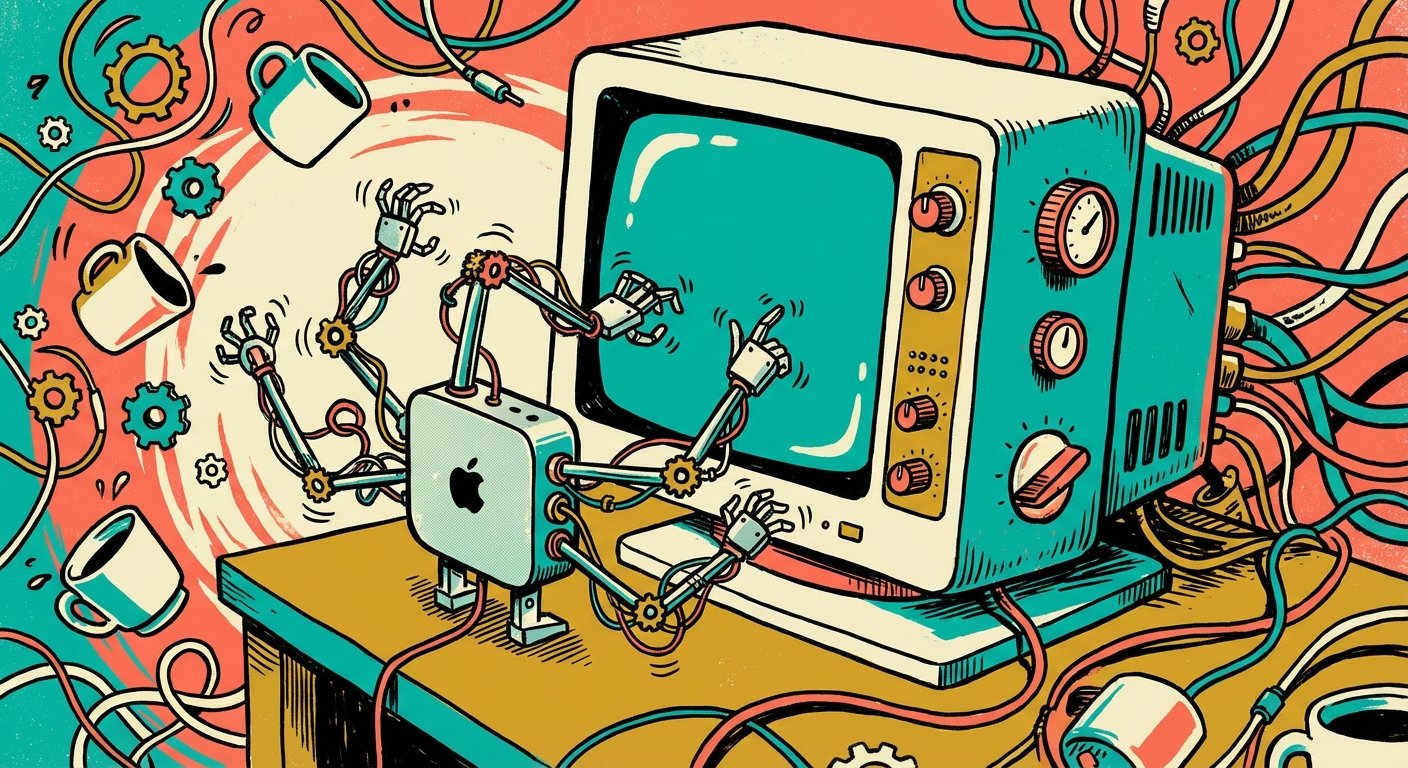
Zapier and n8n require you to hard-code every step. One change breaks the chain. I replaced 50 workflows with a single OpenClaw agent that self-heals.
An AI appointment setter that responds in seconds, follows up automatically, and books meetings around the clock. Here's how to put one to work.

Klarna replaced 700 agents with AI. Then hired them back. The lesson isn't that AI doesn't work — it's that replacement doesn't. Here's the hybrid model that does.
SimpleClaw, MyClaw, OpenClawGo, SetupClaw, DigitalOcean, Hostinger — every OpenClaw hosting option compared on price, security, and what they leave out.
Most AI email tools sort by rules. PageLines learns your priorities, categorizes in real time, and sends you a morning briefing. Here's how it works.

A dedicated OpenClaw agent — always on, synced to Google Drive, loaded with skills. Sign in, tell your bot what to do. We handle everything else.
Email triage, lead enrichment, appointment setting, customer service, competitive intel. Five OpenClaw use cases replacing thousands in monthly SaaS spend.
Your data never leaves your machine. Your monthly bill drops from $40 to $3. Here's the business case for running OpenClaw on your own hardware, and when cloud still wins.

OpenClaw can run on your computer or in the cloud. Each has tradeoffs. Here's how to decide, and why most teams end up doing both.

Everyone's using AI to write content. I'm using it to book sales calls. The difference between AI as a content machine and AI as a research assistant.
Just as 'vibe coding' lets you describe what you want built instead of writing every line, 'vibe automation' lets you describe what you want done instead of building workflows.
A breakdown of OpenClaw's architecture: Gateway, Channels, Nodes, and Tools. For GTM leaders who want to understand how AI agents work without reading code.

What really happens when you click 'Execute Workflow'? The architecture decisions that affect how you build.

No unit tests. Broken version control. A license that isn't quite open source. Why treating n8n workflows like production code is harder than it should be.

Salesforce gives you 10 seconds of CPU time. That's it. Why ops teams move logic out of Salesforce entirely.
AI SDR tools charge $500-2,000/month. The same system costs $50/month in API calls. Here's the n8n architecture we deploy for clients.

An OpenClaw bot replaced 23 hours of weekly email triage and prospect research. The gap between companies using AI agents and everyone else is widening fast.

Your workflow ran 10,000 times this month. 47 failed silently. Here's how to catch them before your pipeline does.

Your RevOps team is drowning in admin work. The fix isn't more headcount. It's a different kind of hire.
You wouldn't ship code without tests. Why are you shipping revenue workflows without them?

A RevOps lead showed me his Zapier invoice. $1,247. I showed him a $79 VPS. Here's exactly what we did.

Topics