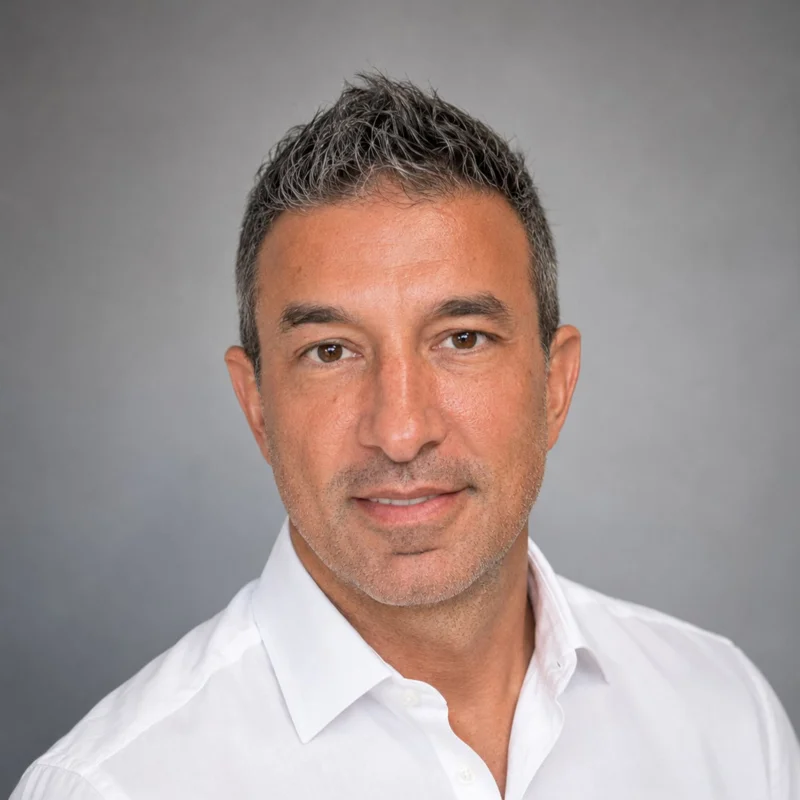
CTO & AI Transformation Leader | Agentic Software Delivery in Production | 2x Co-Founder & CTO | Built a 30+ Person Mobi
Stephan Heilner
I'm a CTO and technology executive who builds AI-native engineering organizations. AI agents are changing how software gets built and how companies run, and I've already put that change into practice: agents that take a work item from ticket to reviewed, tested pull request, and AI automation across the business wherever a person no longer needs to do the work. I have 25+ years building platforms and the teams behind them. I've been co-founder and CTO twice, and I spent 15 years at The Church of Jesus Christ of Latter-day Saints, growing from senior developer to principal engineer and mobile architect, where I built a 30+ person mobile organization and shipped 20+ apps to millions of users in 150+ countries and 130+ languages. At FamilySearch, I started and am driving the move to agentic engineering, and it's gaining traction across teams. I designed and proved out a system that picks up Jira and Linear work items and carries them from product definition through implementation. Agents map the code, build the change, review it with an adversarial reviewer and eight specialists (security, correctness, performance, and more), and verify it against the acceptance criteria before a person approves the pull request. I also built the always-on operations service that runs it on the open-source Armature workflow engine, acting on events from GitHub, CI, and Slack. I've brought this approach to other organizations as an advisor, in higher education, consumer products, and professional services, including BYU-Pathway Worldwide. Each engagement starts with a diagnostic of the company's systems, data, and workflows, and where people spend their time. From there we build a prioritized plan and implement it with Claude and agentic automation, with guardrails and human approval where it matters. I stay hands-on as a leader. With AI, the gap between a demo and a dependable process is large, and leaders who don't understand the systems can't close it.